THE REGION, UP CLOSE
A landscape with more than one story.
Our regional lens: King, Pierce and Snohomish counties, Washington.
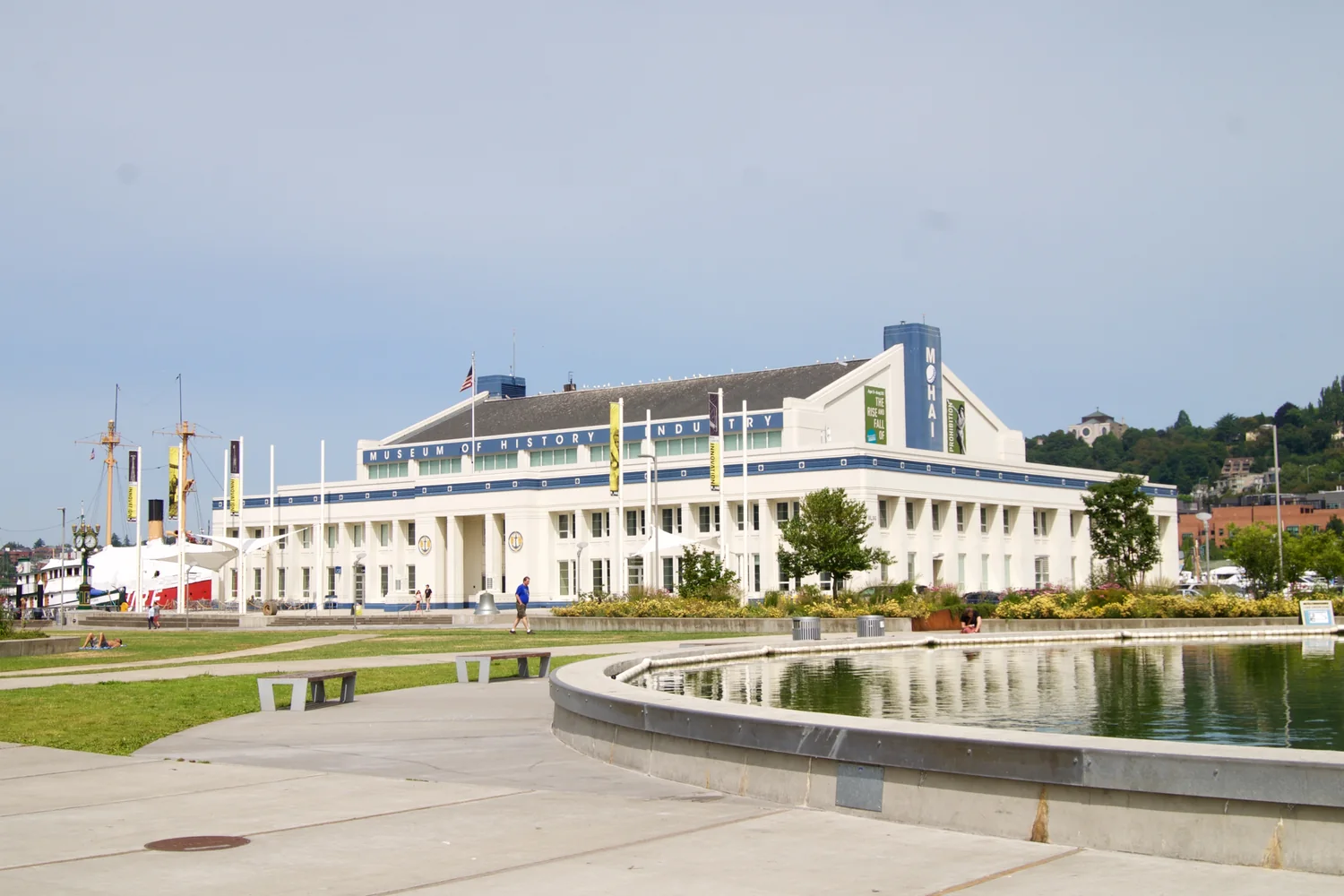
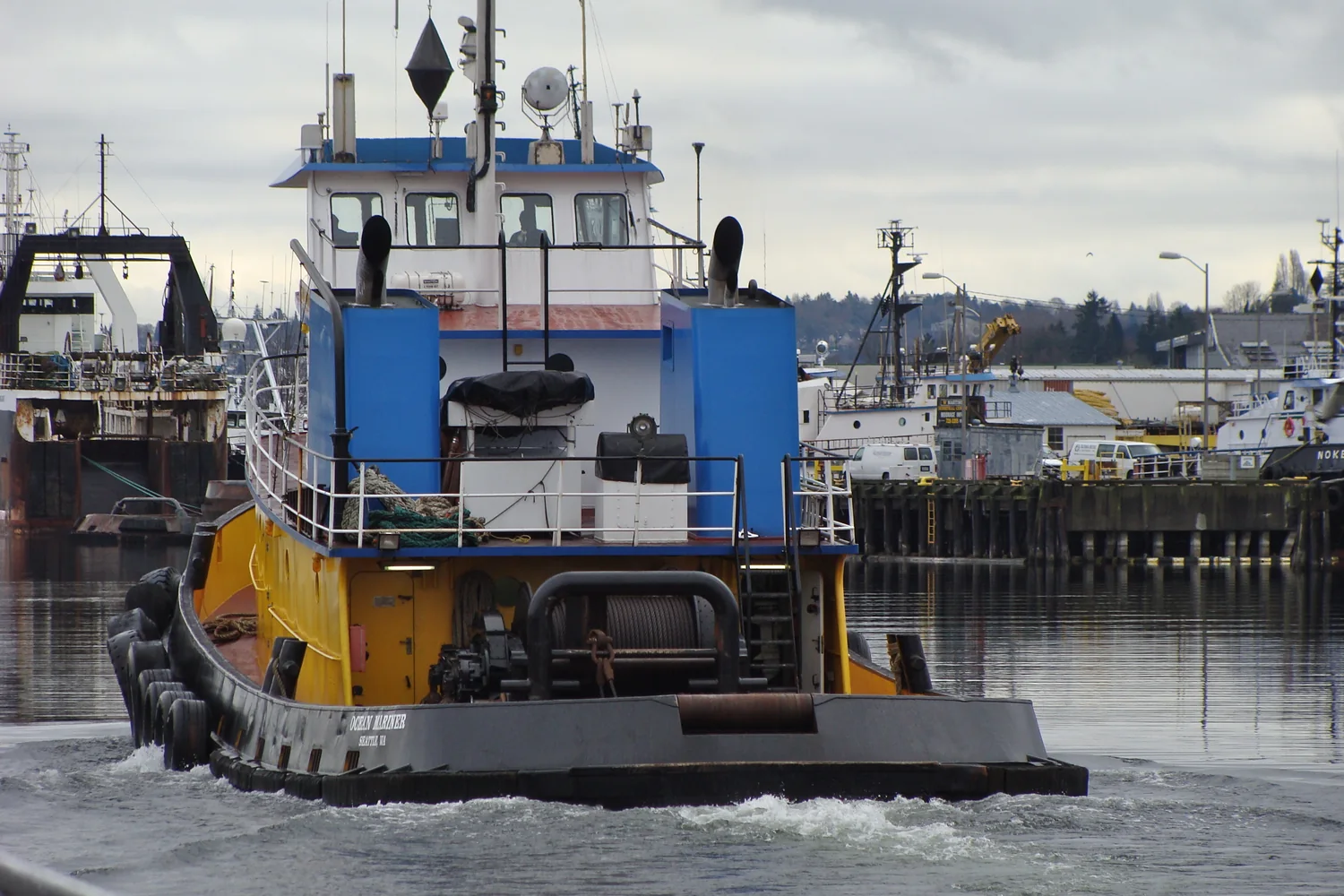
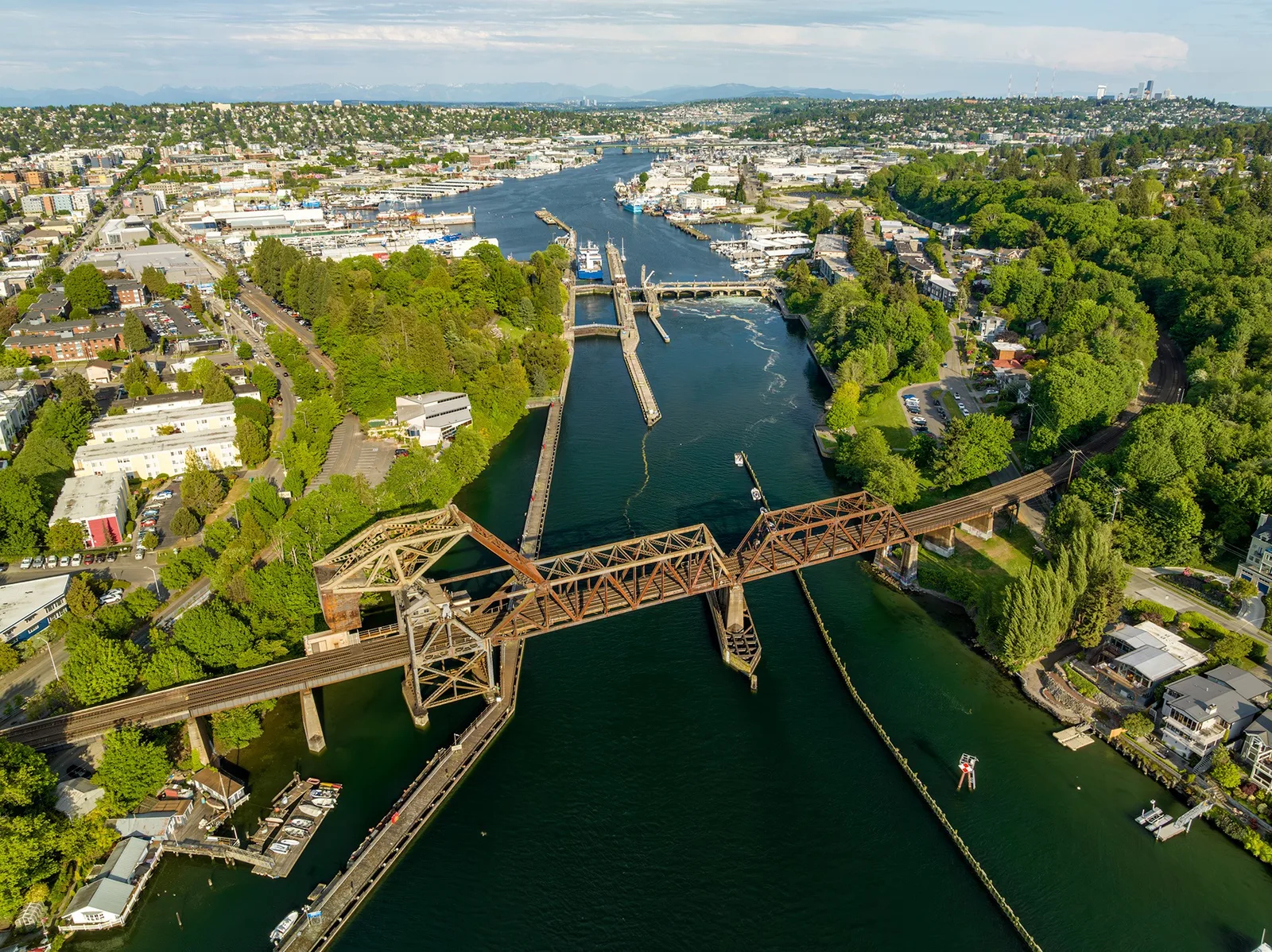
At Seattle's Ballard Locks, an ordinary piece of infrastructure becomes absorbing theater. Boats rise and fall between freshwater and tidal water, while the fish ladder reveals a different kind of passage. The canal is part of a city that has repeatedly reshaped its own geography, a story explored at the Museum of History & Industry on Lake Union. Seen together, these places make the waterfront more than a pleasant view. It is a living system of trade, engineering, habitat and recreation, with competing needs visible in the same frame.
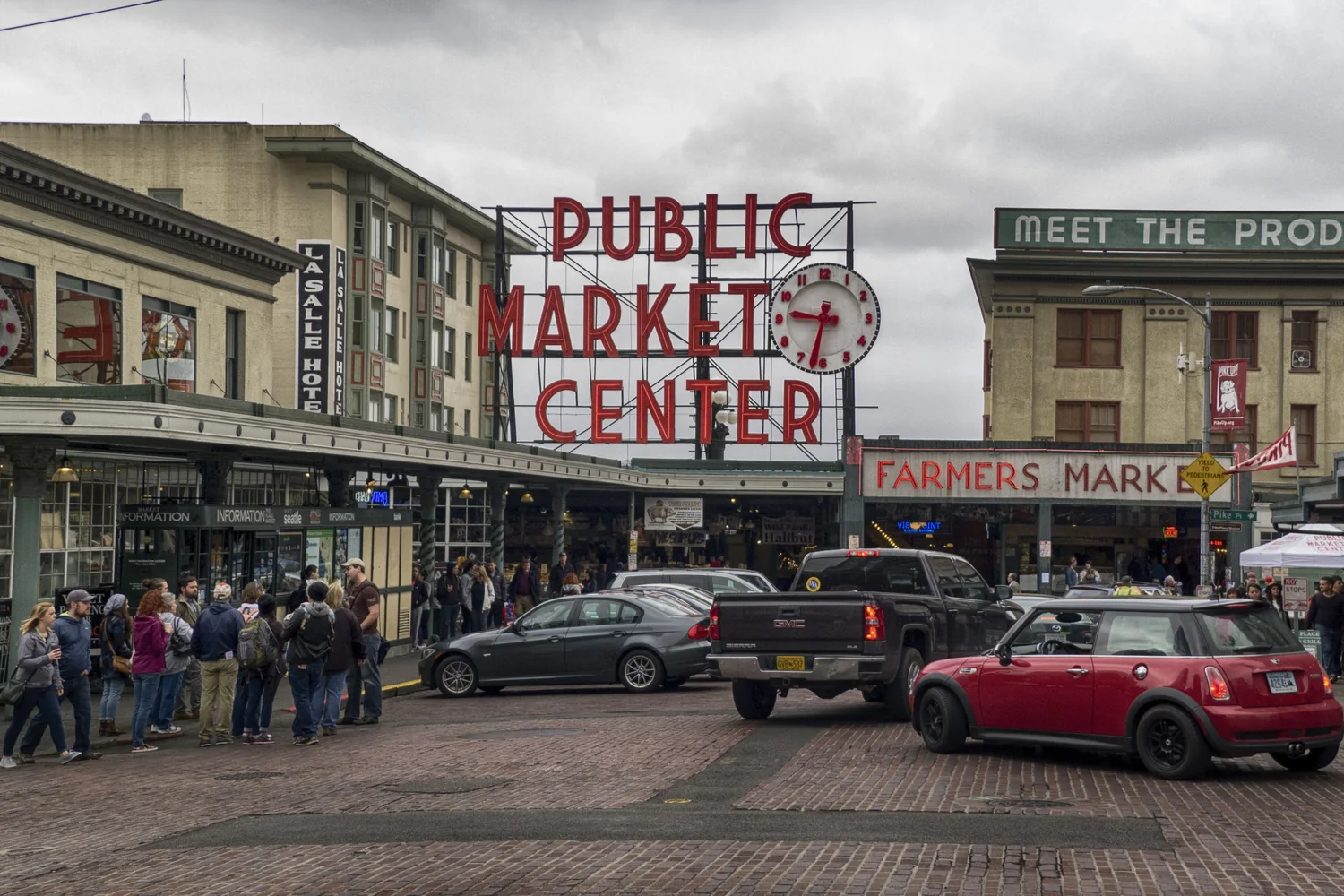
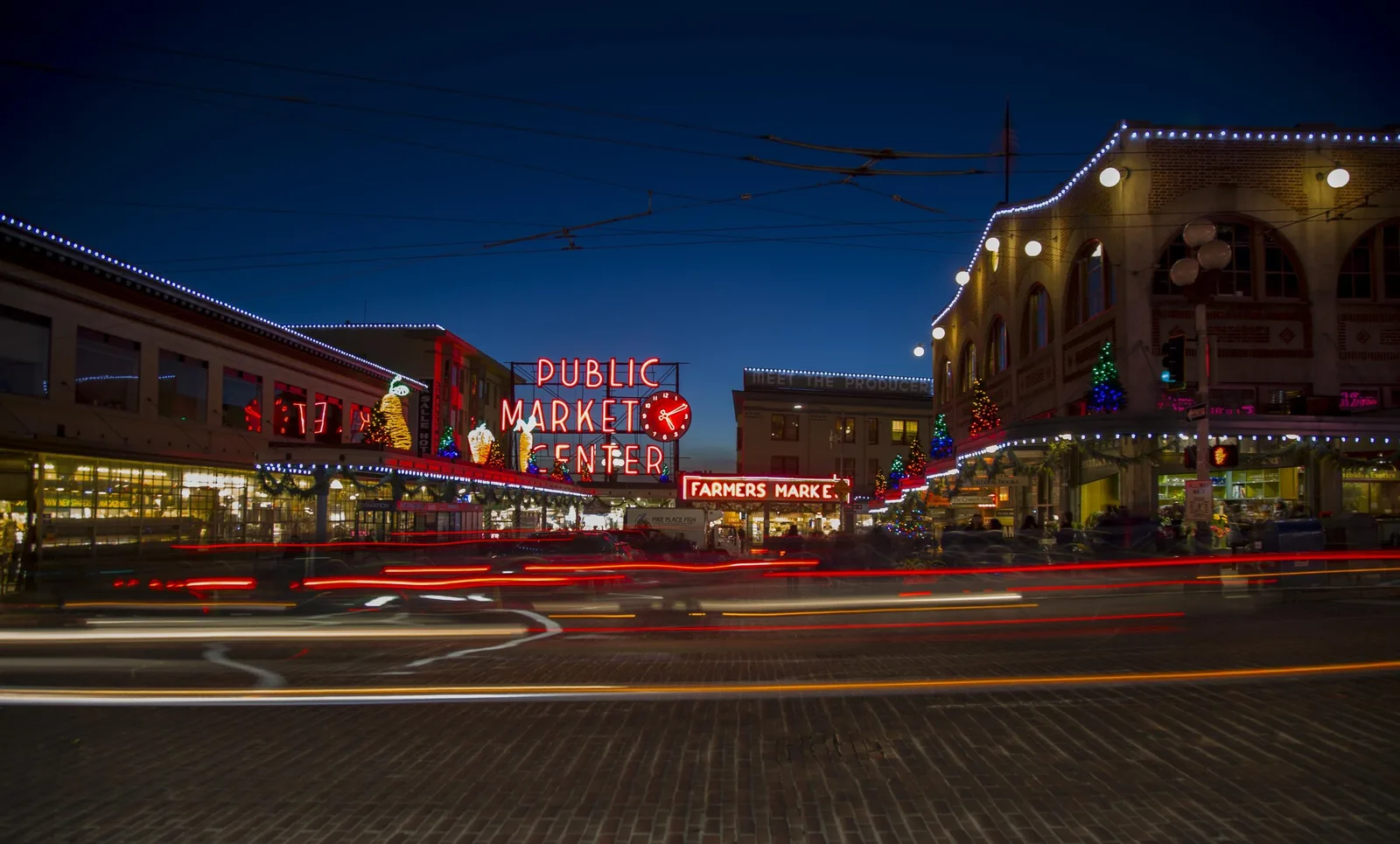
Pike Place Market is most rewarding when you look beyond the familiar sign and give its smaller businesses time. Founded as a public farmers market in 1907, it later survived a redevelopment proposal through a campaign to preserve it. That history helps explain the importance of the place: buying something from a producer or following a passage into another level means participating in a working district. The market's layered spaces encourage wandering, but its deeper story is about who a city chooses to keep at its center.
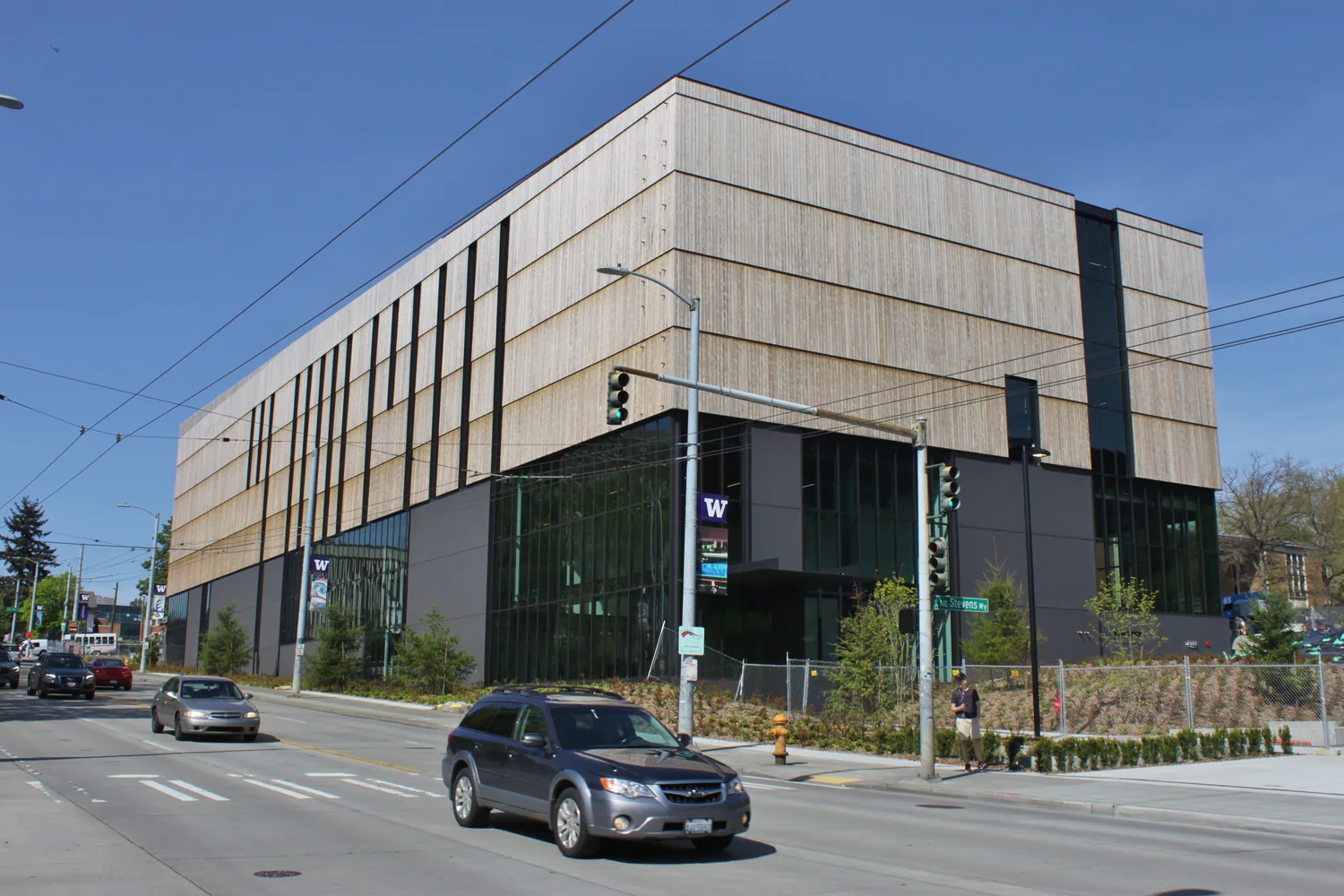
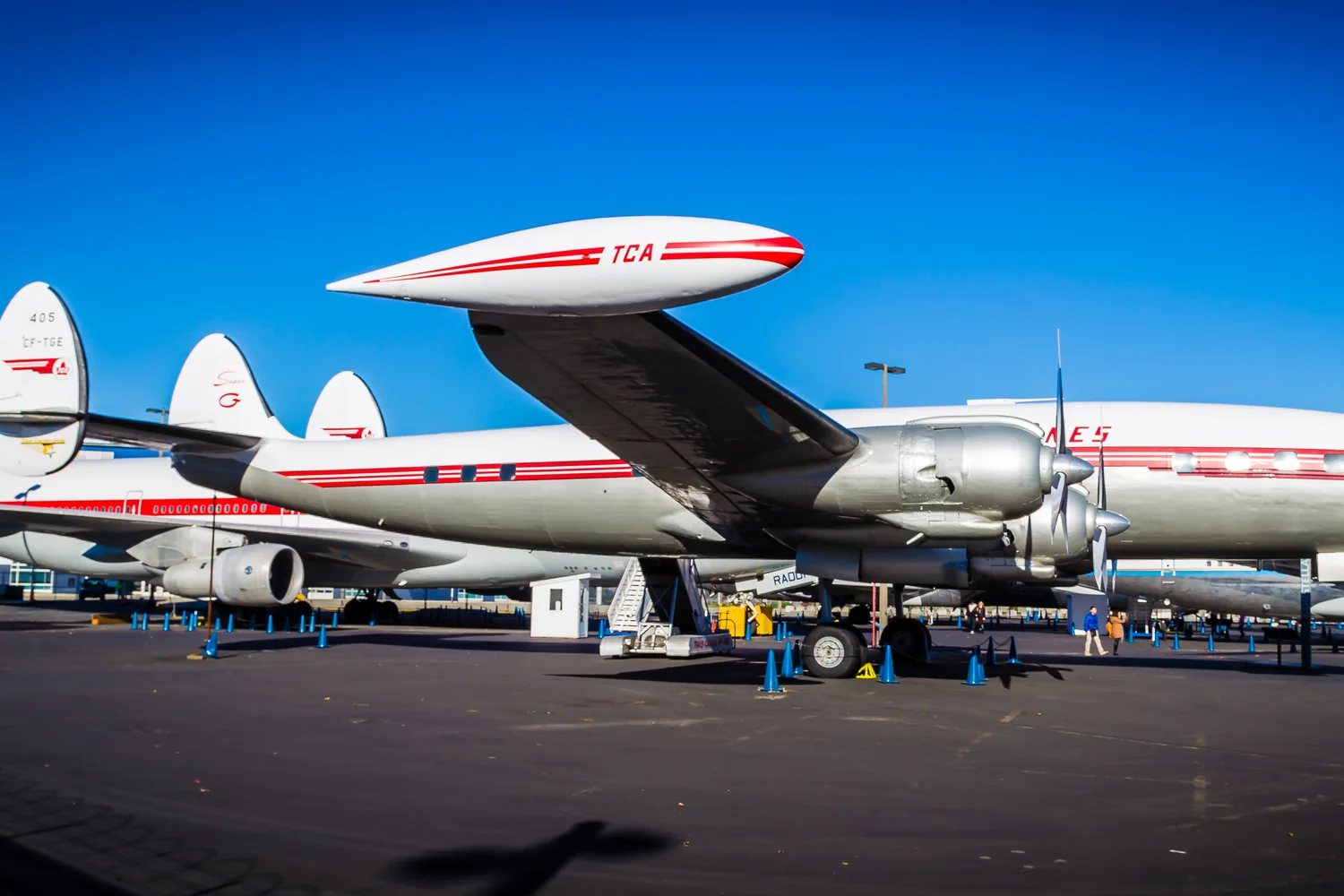
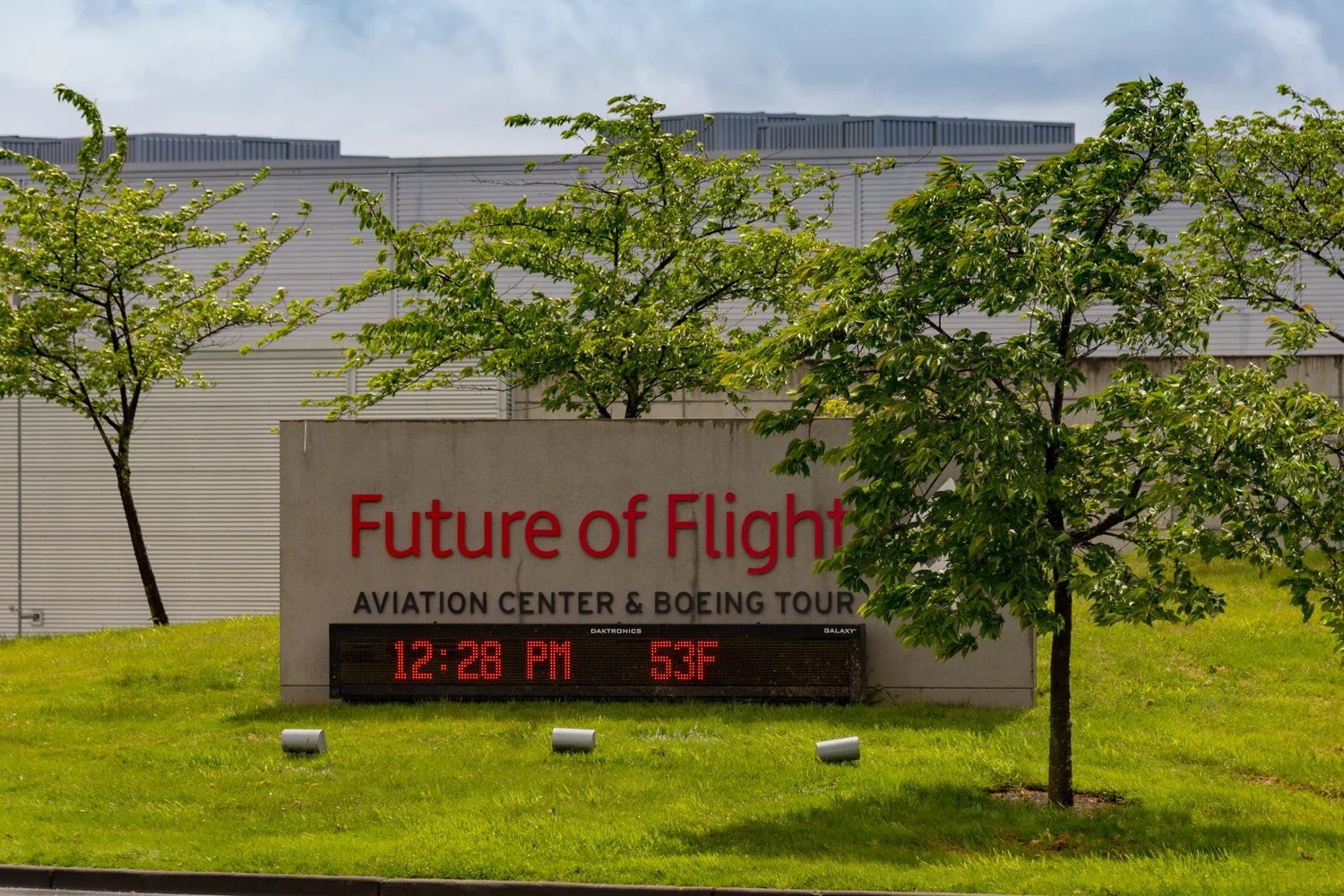
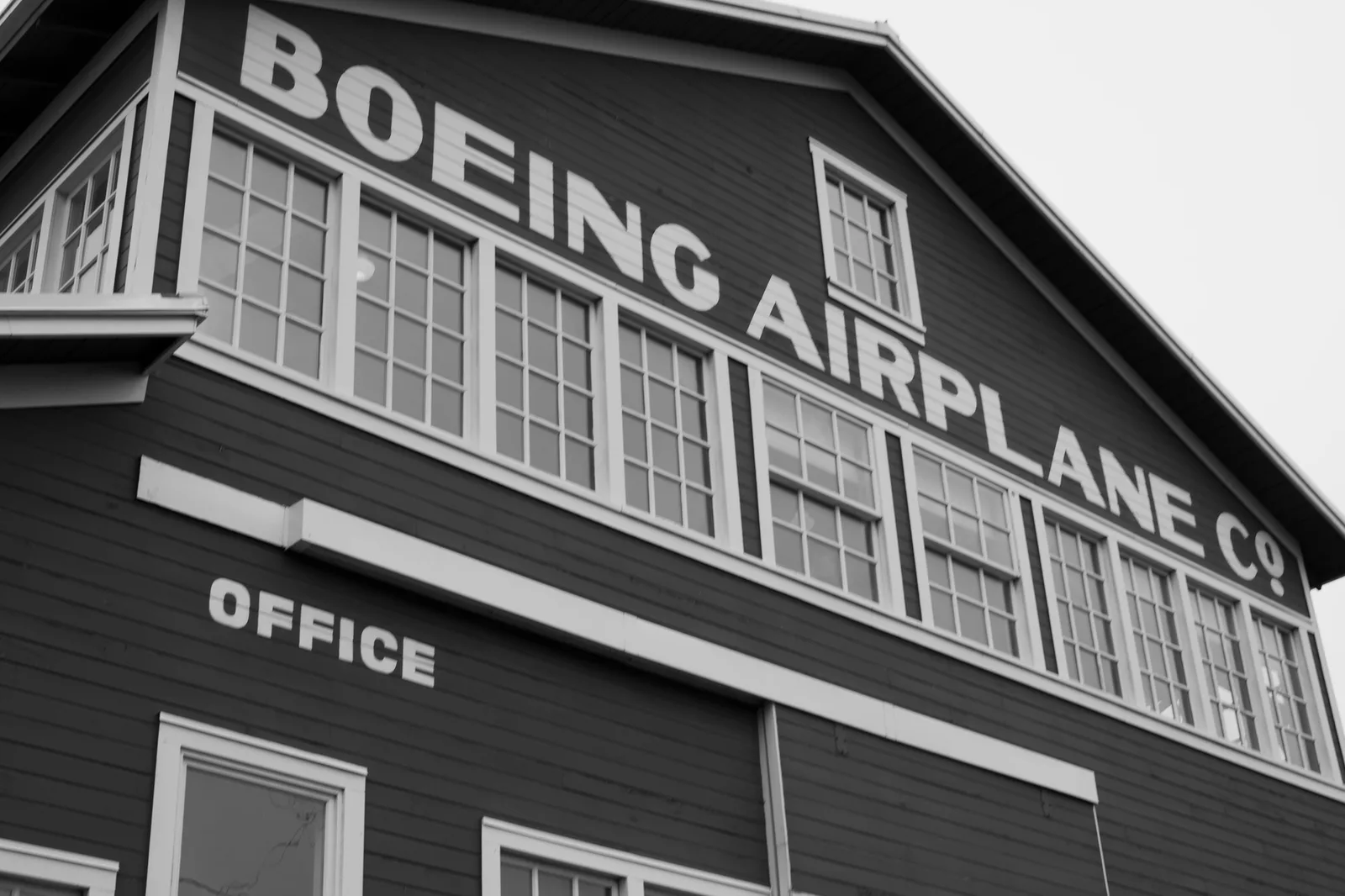
Making things is another regional through-line. South of central Seattle, the Museum of Flight's Boeing Red Barn brings aircraft history down to the scale of timber, tools and early workshops. North in Snohomish County, Boeing Future of Flight connects that history with the scale of contemporary airplane production at Everett. Between them, the Burke Museum places fossils, cultural objects and Northwest Native art in a different kind of learning environment. These visits reward curiosity about process: how knowledge is assembled, objects are interpreted and ambitious ideas become physical things.
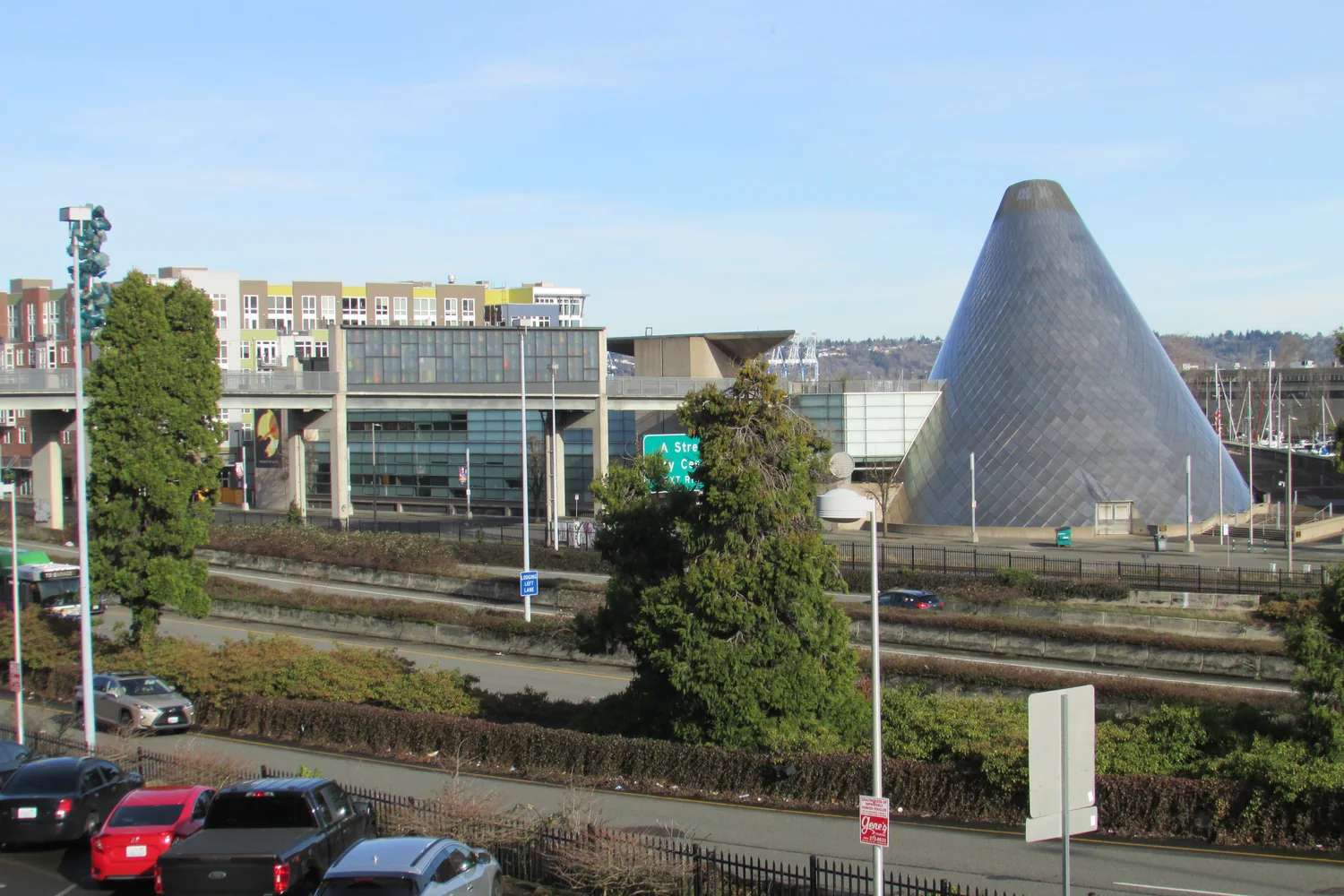
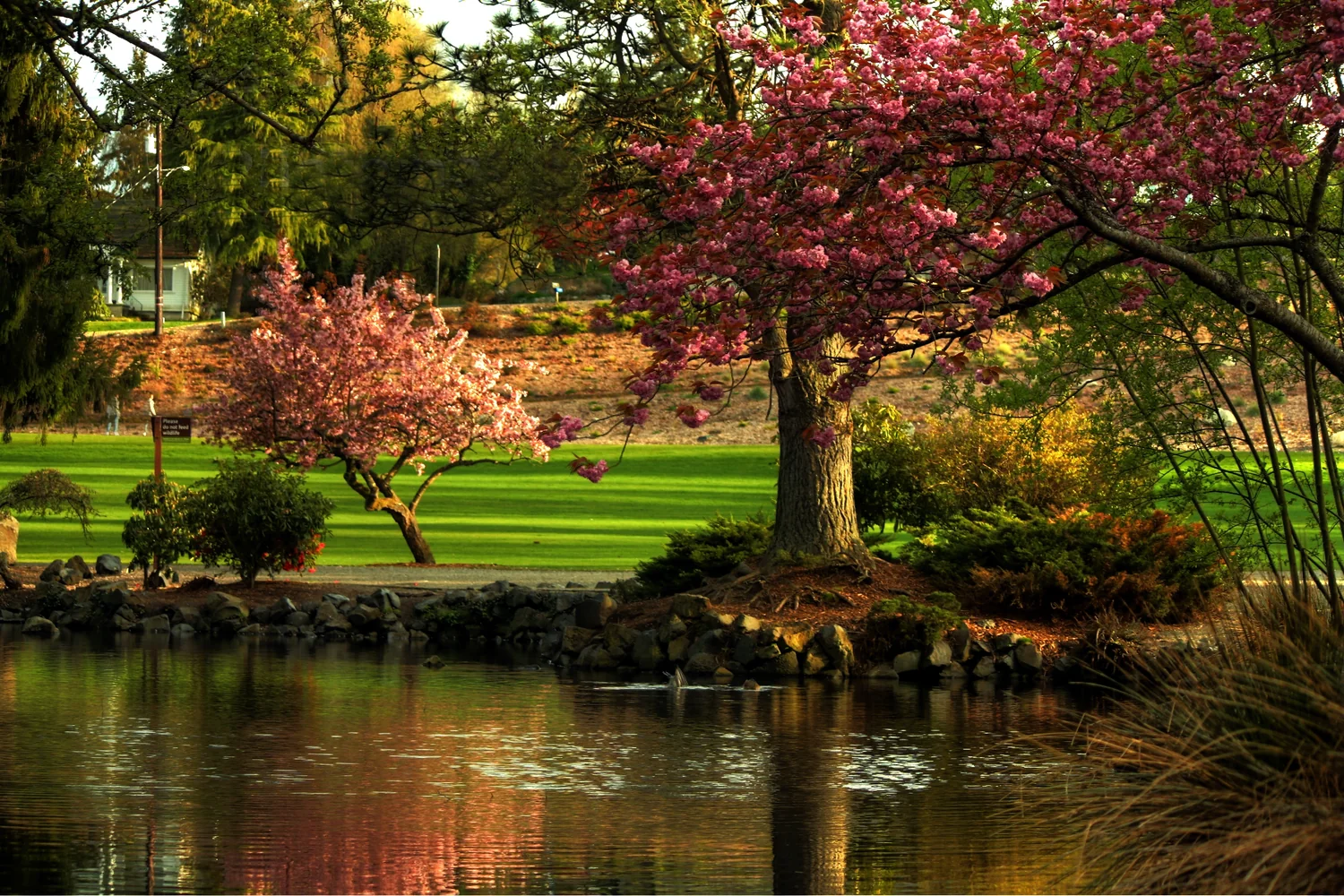
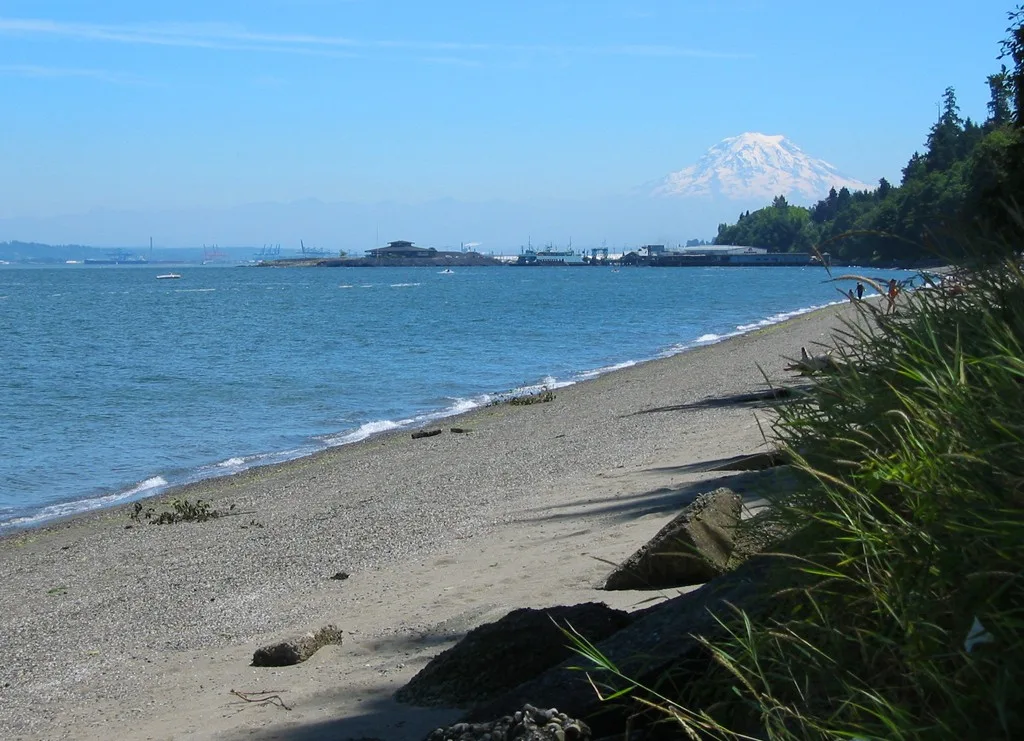
Tacoma brings art and landscape unusually close. At the Museum of Glass, watching a team work molten glass gives finished pieces a new sense of movement and effort. The Chihuly Bridge of Glass connects the museum with downtown's cultural corridor, making the walk part of the encounter. Farther along the city, Point Defiance shifts the mood to forest, gardens and shoreline. Its trails and Owen Beach provide space to linger, showing how a substantial park can belong to urban life without feeling like an afterthought.
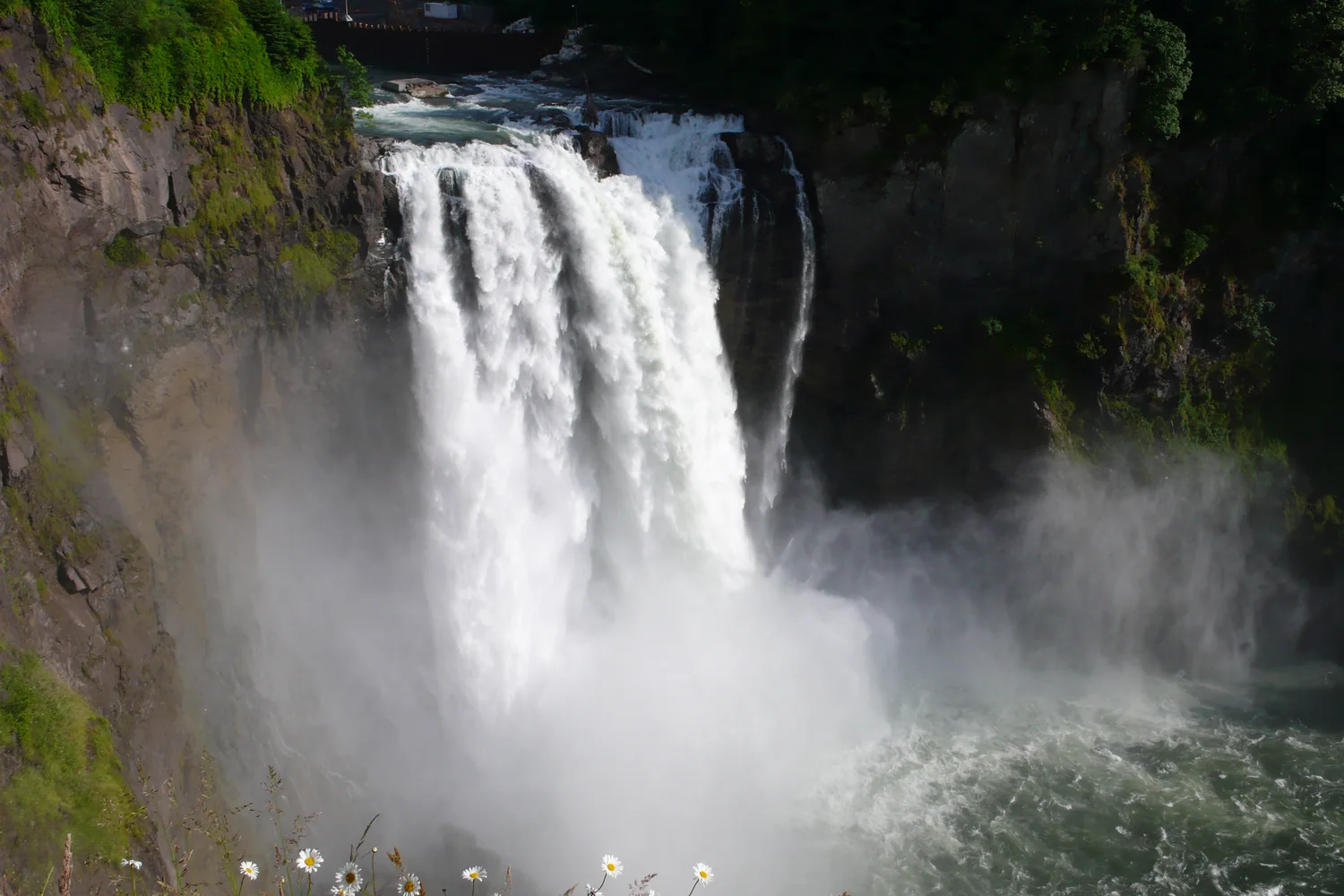
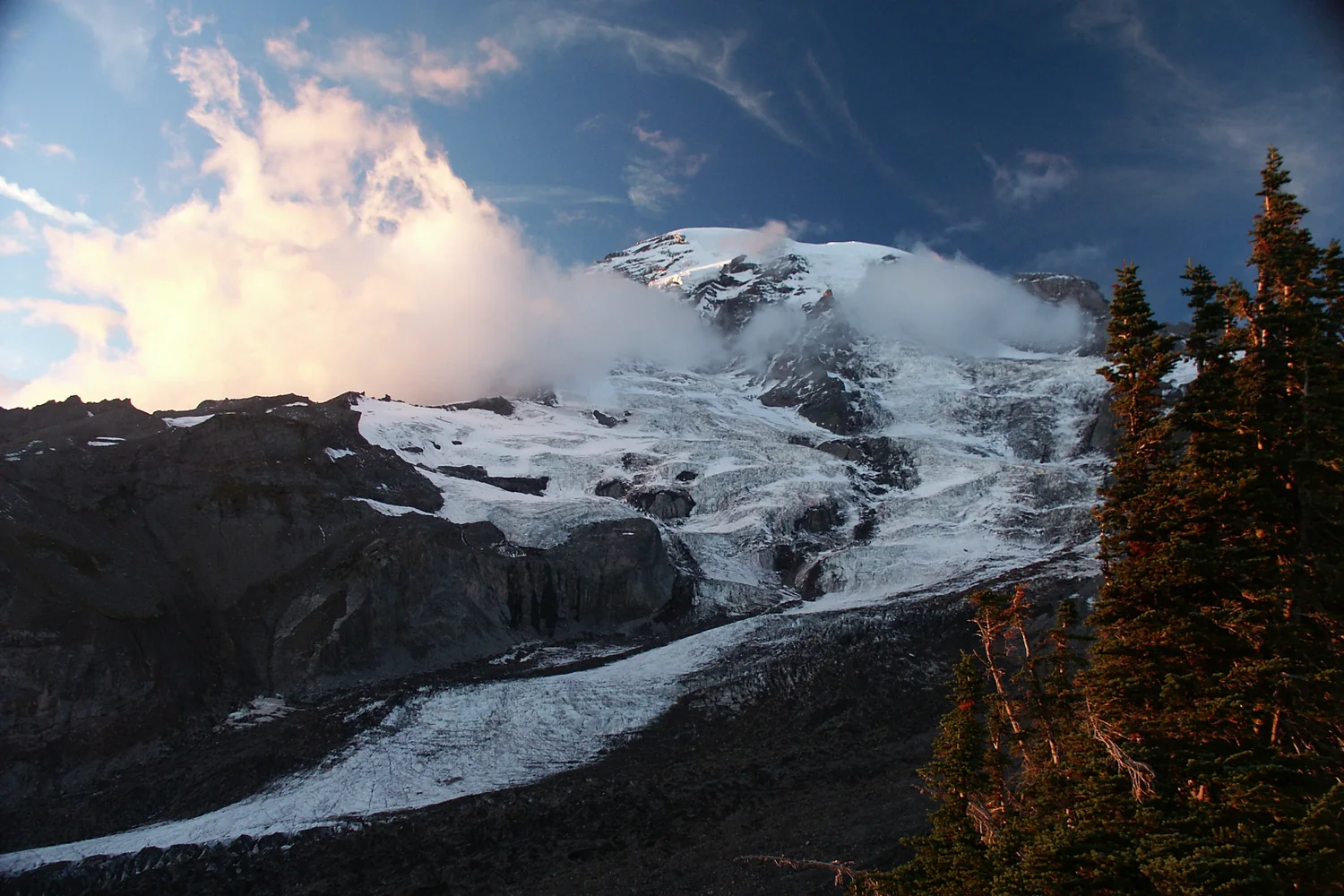
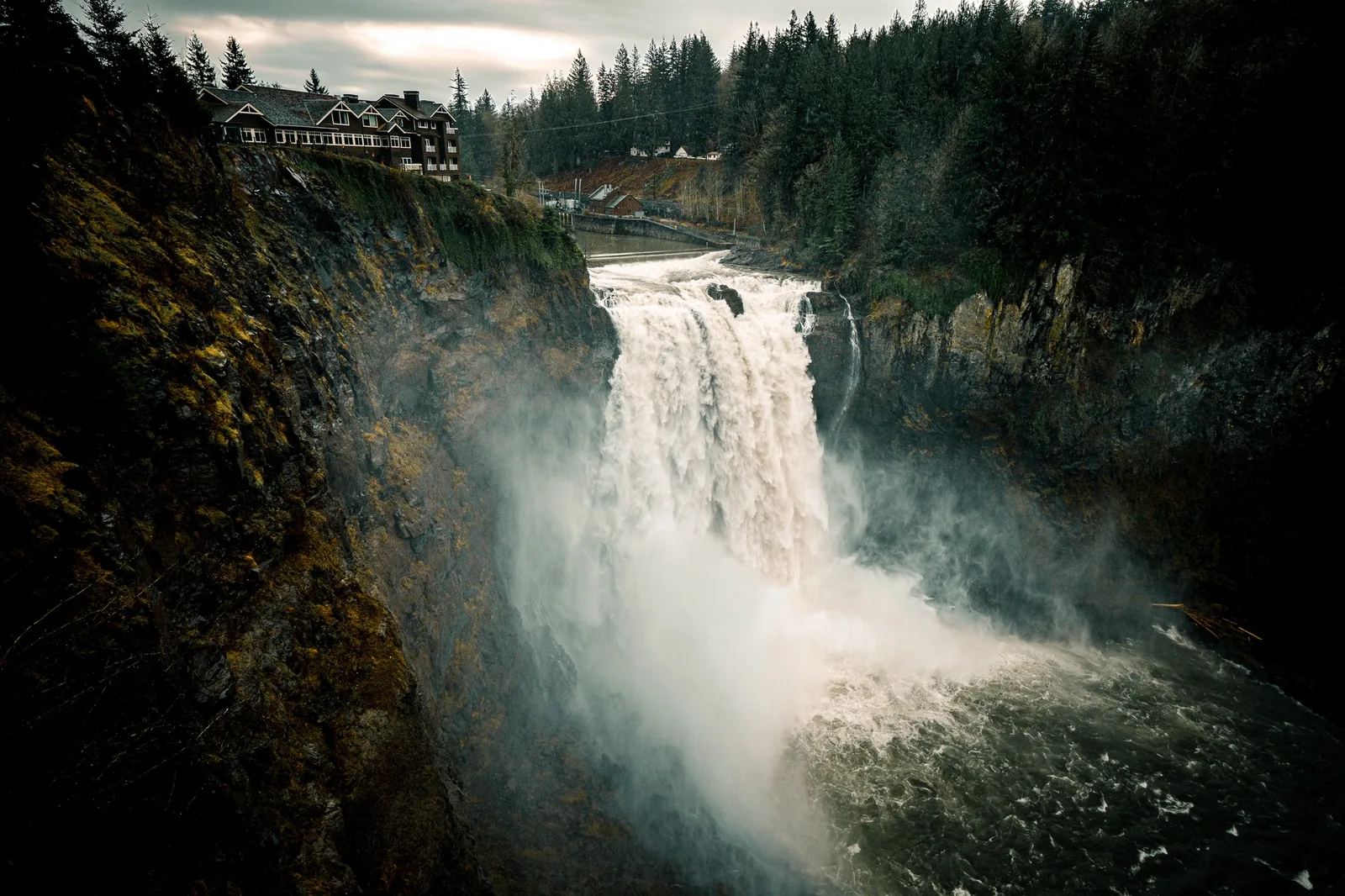
The eastern and southern edges of the region need a different pace. Snoqualmie Falls is a dramatic view and a sacred place for the Snoqualmie Tribe; understanding that significance adds responsibility to the visit. On Mount Rainier's Pierce County side, Paradise opens onto subalpine country where flowers, snow and weather determine the experience. Neither stop should be reduced to a convenient photo between city appointments. Respectful observation at the falls and realistic mountain planning are part of appreciating landscapes whose importance exceeds their popularity.
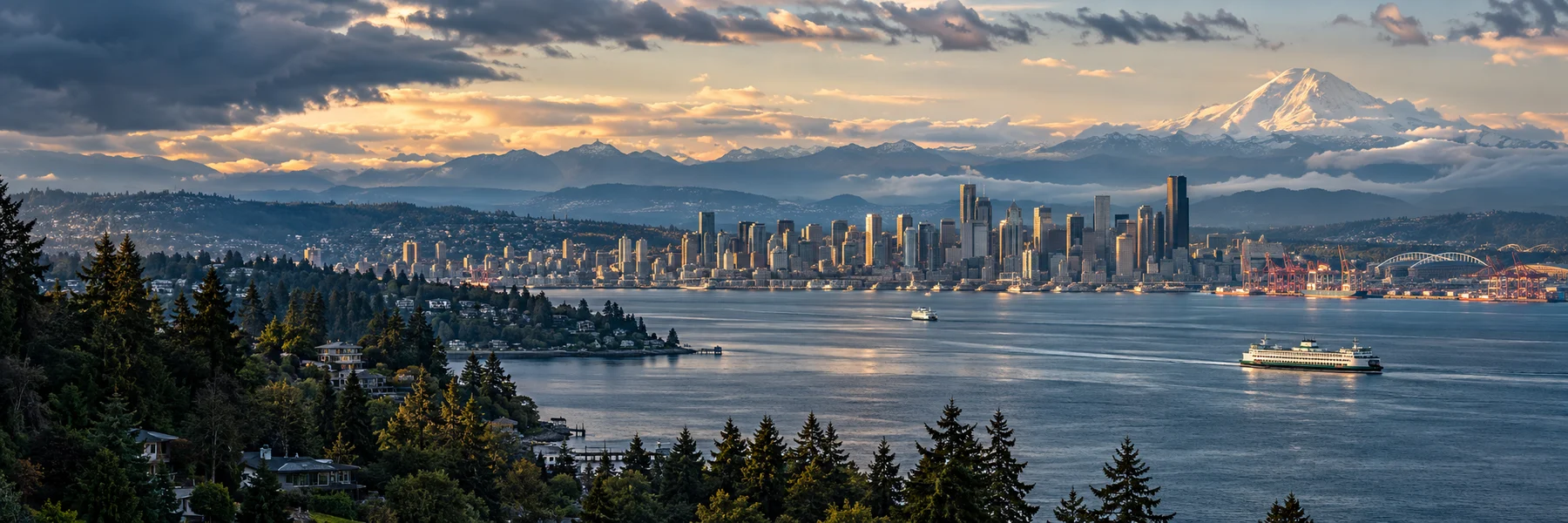
A satisfying Seattle Tacoma visit works at several scales. Give one day to a neighborhood or waterfront, another to Tacoma or Snohomish County, and treat Rainier as a mountain journey with its own conditions. Thread museums into the outdoor time so the region's industries, living Native cultures and environmental changes remain part of the picture. The result is a fuller sense of place: metropolitan and mountainous, inventive and historically complicated, with discovery waiting close to the routes people travel every day.